
The New Wave of Regeneration in the FMCG Industry
For most consumers, interaction with products is limited to their final presentation. We see items on a supermarket shelf or at a counter, neatly packaged and ready to be purchased. Yet the natural resources used to bring each product to life are rarely visible to the average shopper. As concerns about climate change intensify, temperatures rise, and production cycles become increasingly disrupted, consumers have grown more aware that every purchase has an impact.
What began as a transparency initiative towards product traceability, brands displaying photos of oat farmers, coffee growers, or the landscapes where ingredients were sourced, has become something far more significant. These early efforts helped people connect with the human and natural stories behind their products, they created something more powerful; sympathy, authenticity, and a sense of shared responsibility for the resources that enable production. Though a couple of years ago this was enough to demonstrate a fair handling of the natural resources needed to make our products, nowadays it is not just relevant to see what's being taken from earth but also how such is being replenished.
To understand the urgency, it helps to look at the scale of extraction. According to recent studies, Humans currently use around fifty percent more natural resources than just three decades ago, amounting to roughly sixty billion tonnes of raw materials every year. This level of consumption cannot continue without consequences. And as the natural resources such as the soil and water used for production weaken, the industries that depend on them, including fast moving consumer goods, feel the impact immediately.
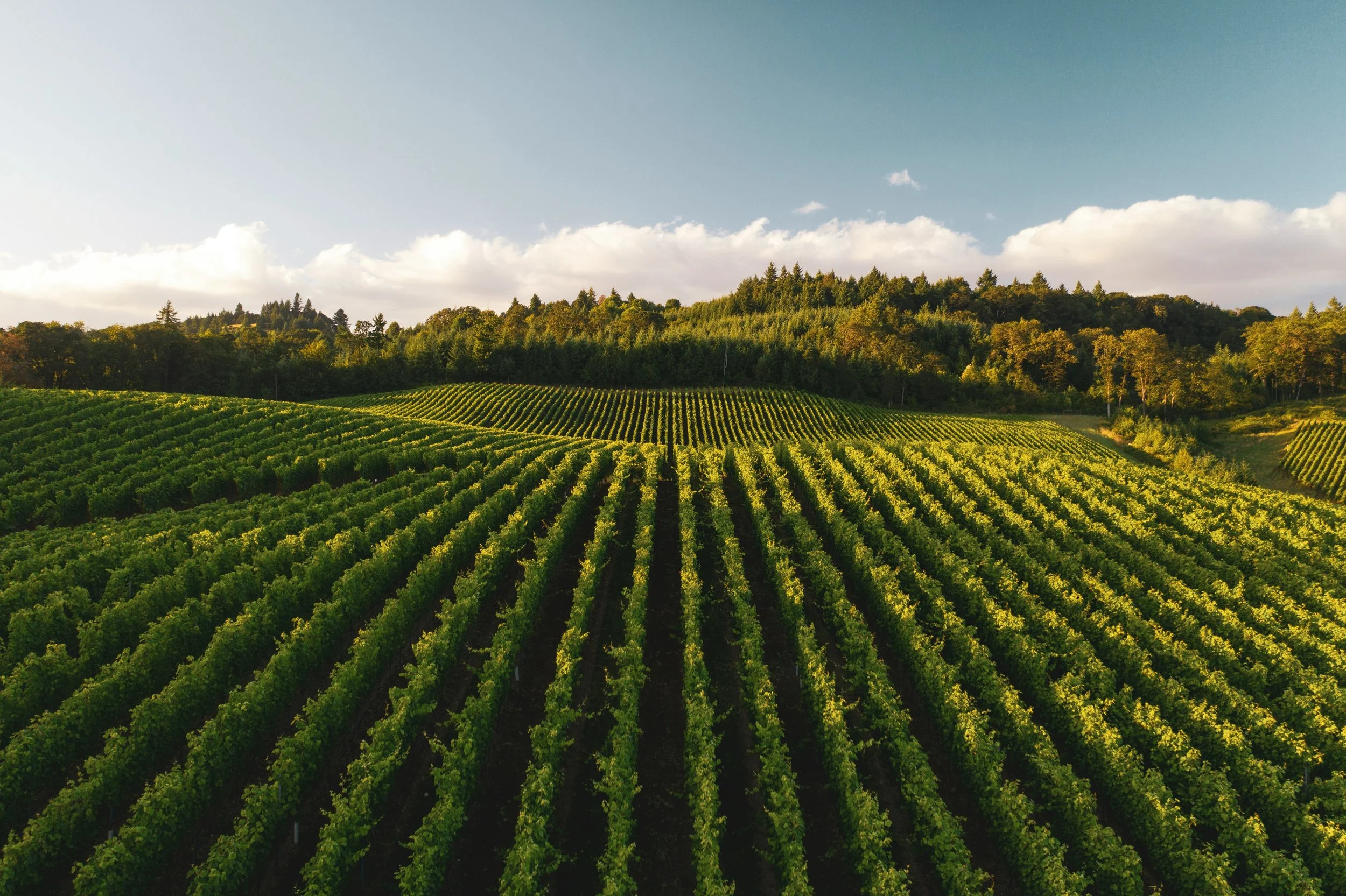
Photo by Dan Meyers on Unsplash
Industry Examples
In the fast-moving consumer goods industry, this shift is already underway. Some of the world’s largest corporations, including Nestlé and Unilever, have begun integrating regenerative practices across their supply chains. They have been the first ones to recognize regeneration is becoming a business imperative. Climate volatility, resource scarcity, talent expectations, and stronger consumer pressure are forcing companies to rethink how growth happens, who benefits from it, and what kind of legacy they leave behind.
When speaking with colleagues who now lead transformation efforts within top global brands, a consistent phrase emerges:
We need to give back to the systems that allowed us to create the product in the first place.
Regenerative growth embodies that philosophy. It is about making profits while giving back more than we take. It seeks to replenish and grow natural resources, strengthen ecosystems, and support more equitable and resilient societies.
Within FMCG, regeneration initiatives have mostly taken place within agriculture at the core of this movement. Focusing on restoring soil health, increasing biodiversity, improving water cycles, and supporting communities that are directly involved in their production. These principles directly strengthen the long-term viability of supply chains while reducing emissions and environmental risk; in fact the corporate commitments are significant.
One of the prime examples of this trend growing across the industry has been Unilever’s regenerative agriculture into the supply chains of soy, palm oil, rice, and tea. The company aims to apply these practices to one million hectares of land by 2030 and has established a dedicated Regenerative Agriculture Fund to support farmers through this transition. Nestlé, another major player, has also pledged to source twenty percent of its key ingredients from farmers using regenerative methods by 2025 and fifty percent by 2030. Its initiatives range from promoting agroforestry in coffee supply chains in Vietnam to investing in soil health improvements in the European dairy sector - impacts that go even further than the daily consumer could imagine.
By Liliana Caimacan Liliana Caimacan is Professor of Marketing, Innovation and Entrepreneurship at Hult International Business School. She is an experienced global marketing leader and passionate educator, with extensive industry expertise within the CPG and luxury industries. Her current research interests include branding and marketing strategy, integrated communication, digital and AI environments and customer behaviour.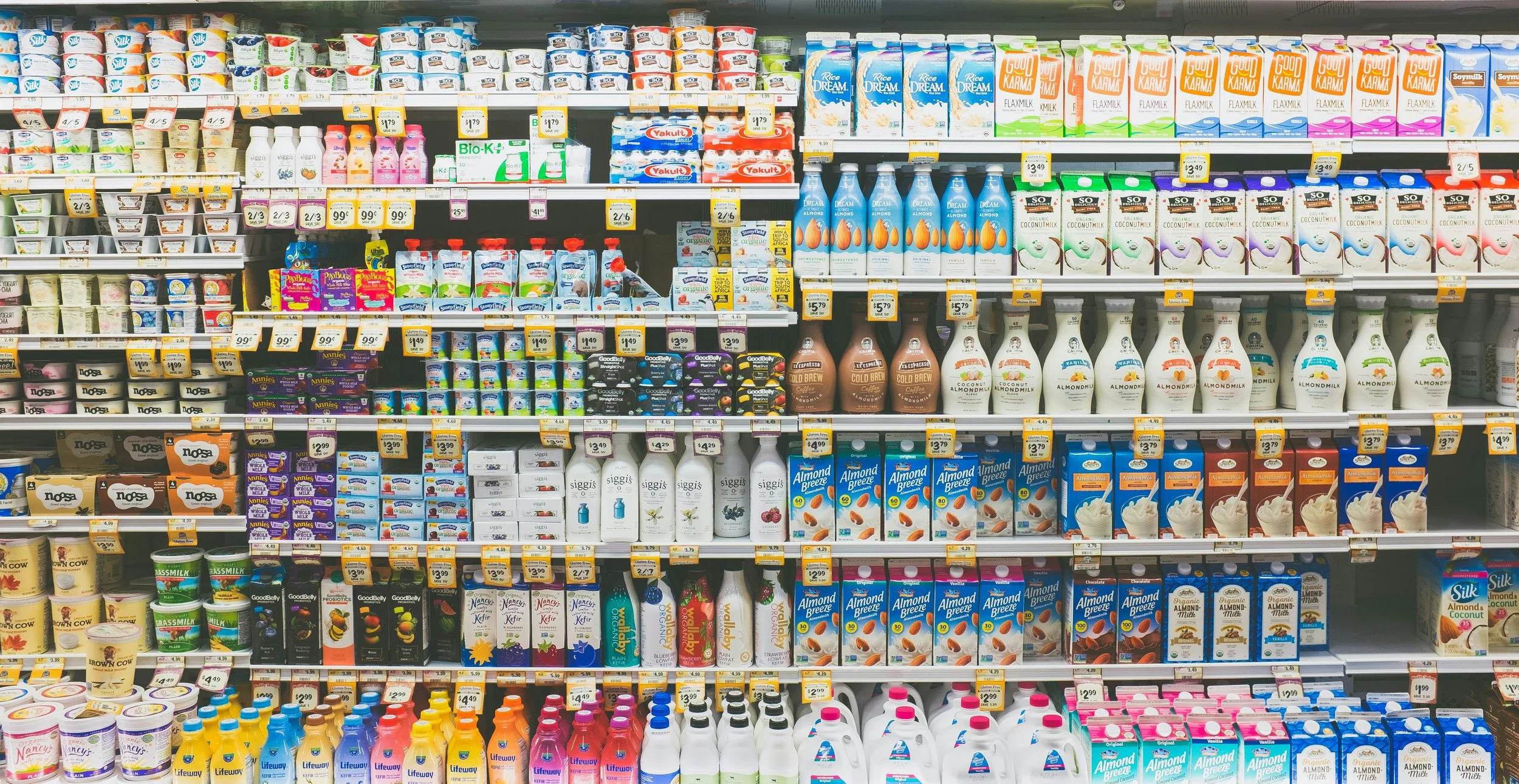
Beyond Regeneration
Of course, regeneration extends beyond fields and farms. Circular innovation is also playing a major role. One fascinating example is Banofi Leather, winners of the Hult Prize 2023, the global competition for university students to develop and launch for-profit businesses that solve social and environmental challenges.
Banofi's genius idea? Using discarded banana peels to create a leather alternative. Instead of letting organic waste sit in landfills and generate emissions, they transform it into a high-quality material suitable for fashion and consumer products. This is circular thinking at its best. Waste becomes a resource, farmers gain additional income streams, and brands gain access to bio-based materials with a lower environmental footprint.
And if we go beyond agriculture? Regeneration also requires rethinking product design, packaging, and resource cycles. Many FMCG companies are also experimenting with refillable systems, biomaterial packaging, compostable solutions, and design choices that extend product life. These innovations are not only environmentally beneficial but also open opportunities for premiumization and brand differentiation. Specially following consumer trends who are increasingly willing to support companies that integrate tangible regenerative commitments into their products, not just their marketing.
After raw materials, design thinking, and alternative solutions are implemented, one thing is key - regeneration cannot happen in isolation. Brands need strong partnerships with suppliers, scientific organizations, local communities, and NGOs. Measurement tools also matter because they are the numbers that reinforce that a change is happening. In fact, without clear metrics, it becomes difficult to understand whether regenerative efforts are truly making a difference. For example, frameworks such as Science Based Targets for Nature are helping companies evaluate biodiversity impacts and track progress more transparently.
As the conversation evolves, the broader mindset shift becomes clear. Growth in the FMCG sector is starting to look different from how it looked in the past. It is no longer defined solely by scale or efficiency. Instead, companies are beginning to ask deeper questions:
• What is the impact of our success on the systems that support it?
• How can we expand while strengthening the natural resources we depend on?
• What does long-term value look like for people and the planet?
These questions are pushing brands to move beyond sustainability reports and into real action.
Regeneration invites companies to rethink not only their supply chains but their identities. It encourages them to design products that fit into a healthier, more balanced world rather than one that is constantly stretched to its limits.
Ultimately, the new wave of regeneration signals a hopeful present and future for the FMCG industry. It is a reminder that restoring ecosystems and running profitable businesses do not have to be opposing goals. In fact, they can reinforce each other.
References
Banofi Leather. (2024). About Banofi: Transforming banana waste into sustainable leather alternatives. Retrieved from https://www.banofileather.com/
Friends of the Earth. (2023). Overconsumption and natural resource use: Key facts. Retrieved from https://friendsoftheearth.uk/sites/default/files/downloads/overconsum ption.pdf Nestlé. (2023). Regenerative agriculture commitments and implementation roadmap.
Nestlé Global Corporate Responsibility Reports. Retrieved from https://www.nestle.com/ Unilever. (2023). Regenerative agriculture: Our approach and commitments.
Unilever Sustainable Living Hub. Retrieved from https://www.unilever.com/
Ellen MacArthur Foundation. (2021). Circular economy and regenerative design principles. Retrieved from https://www.ellenmacarthurfoundation.org/
Science Based Targets Network (SBTN). (2023). Science-based targets for nature: Guidance for companies. Retrieved from https://sciencebasedtargetsnetwork.org/
McKinsey & Company. (2022). The business case for regenerative agriculture. McKinsey Sustainability Insights. Retrieved from https://www.mckinsey.com/
